There is nowhere quite like Holy Island. Reached by a causeway that disappears beneath the sea twice a day, Lindisfarne sits just off the Northumberland coast in a state of deliberate separation from the mainland. That tidal isolation is not merely a practical inconvenience - it is the whole point. It has shaped the island's character, its history and its extraordinary atmosphere for over 1,400 years.
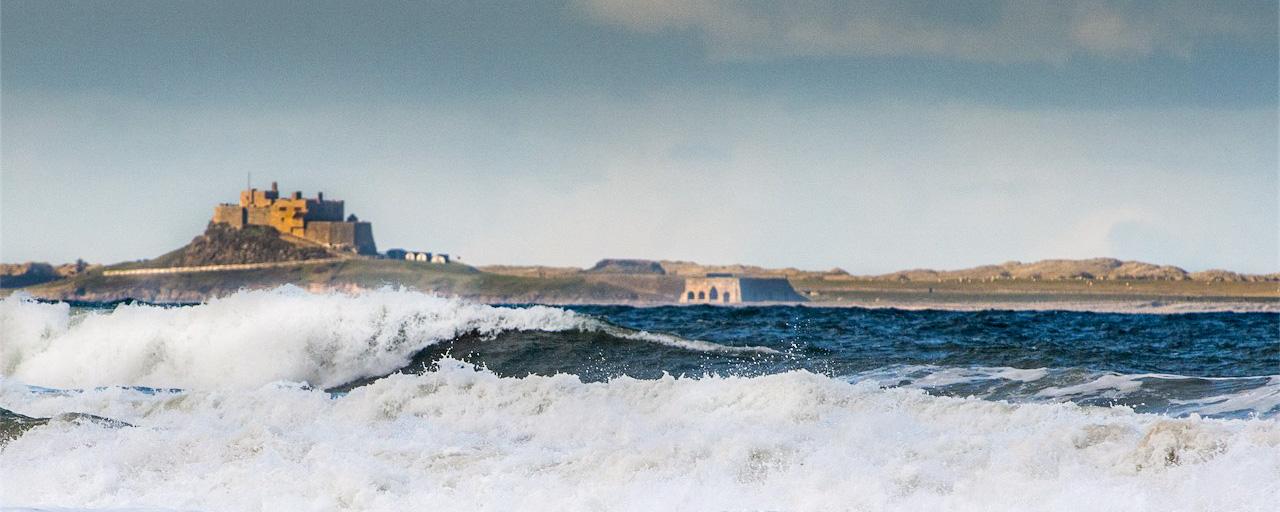
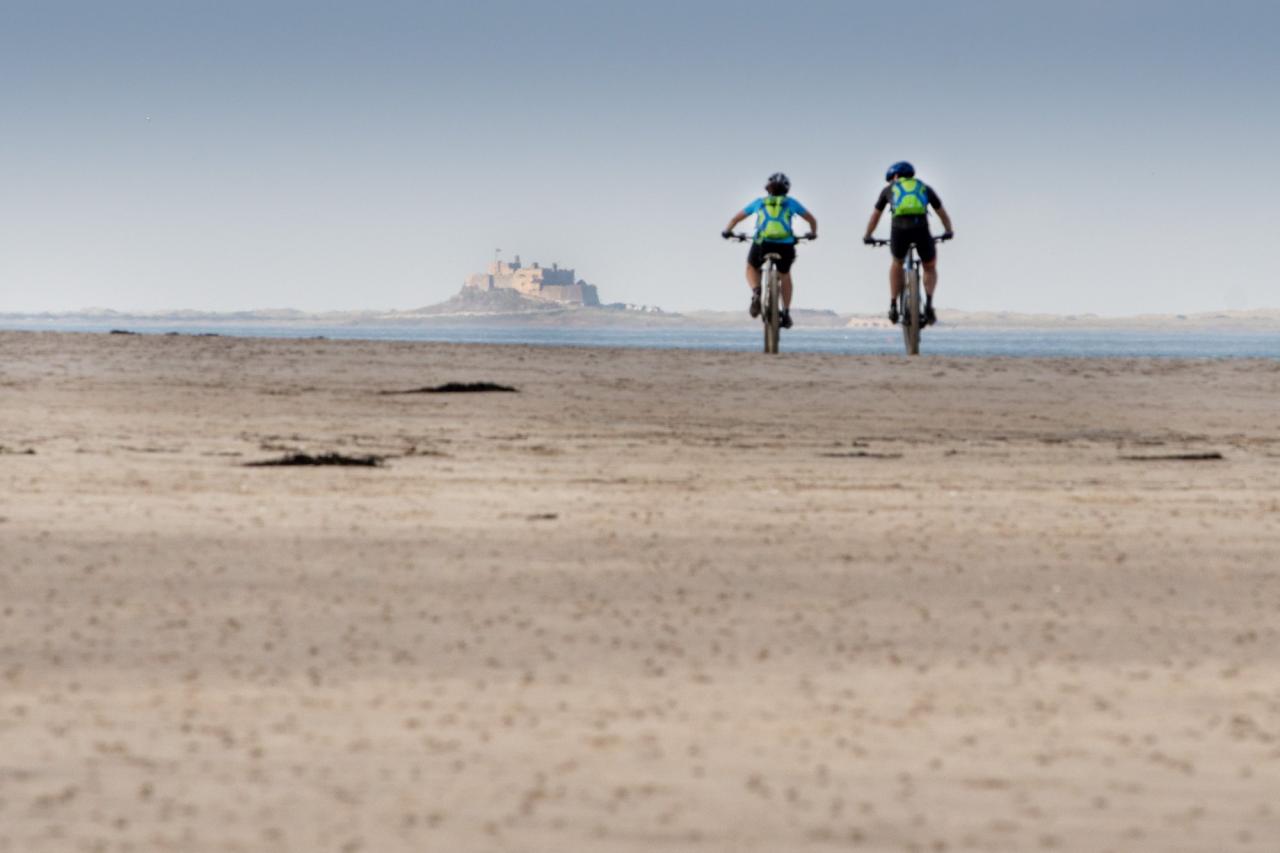
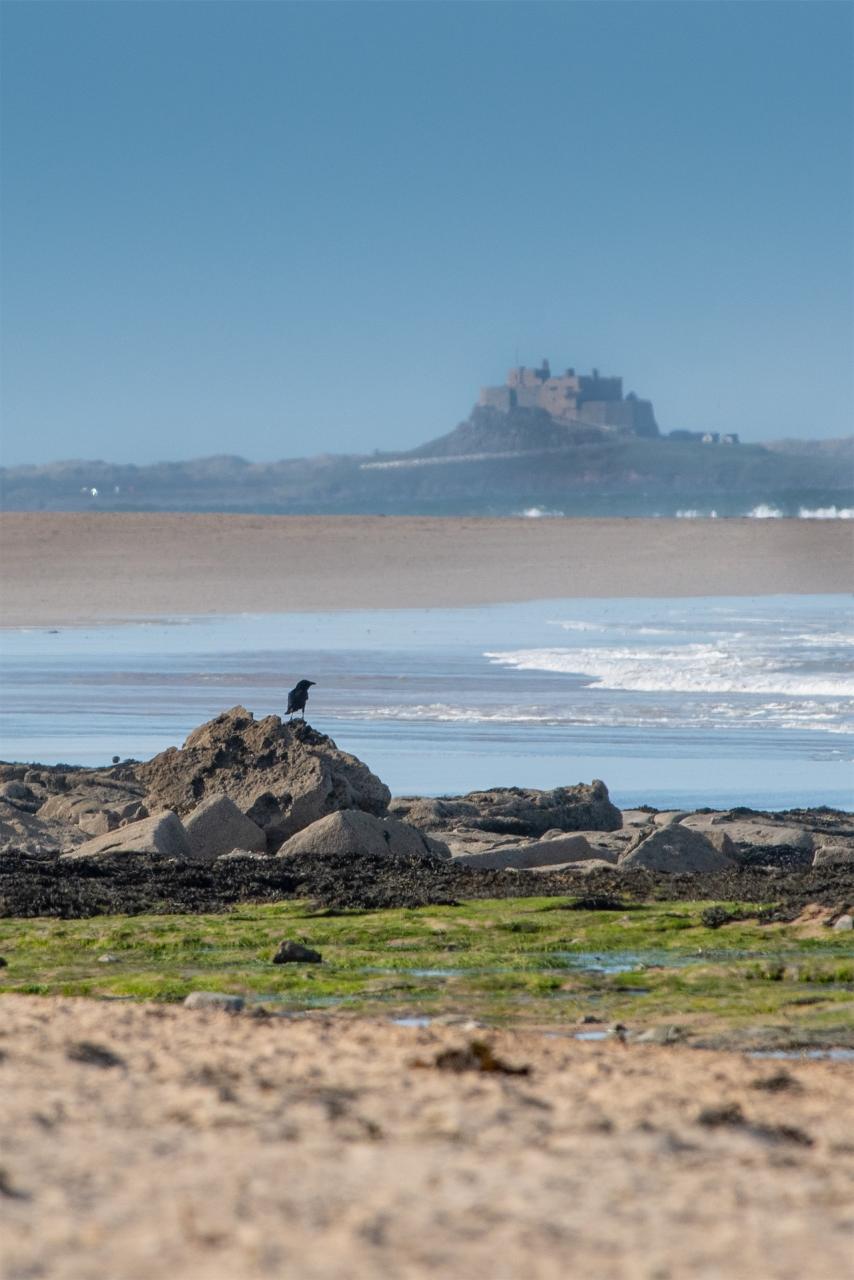
From BayView at Waren Mill, Holy Island is just 8 miles away. On a clear day you can see Lindisfarne Castle from the apartment windows, rising above the flat horizon of Budle Bay. But seeing it and visiting it are two different things entirely - and a visit to Holy Island deserves a proper day.
The Tides
The causeway crossing is the defining feature of any Holy Island visit, and it is not something to treat casually. The road floods twice a day and the tide moves fast. Every year, vehicles are abandoned on the causeway by visitors who misjudge the timing - a costly and dangerous mistake.
Safe crossing times are published daily by Northumberland County Council and are available at northumberland.gov.uk. Always check before you travel - times shift by around 50 minutes each day.
A few firm rules:
- Never cross outside the published safe crossing window
- Allow at least 30 minutes extra to account for traffic and weather
- There is a refuge box on the causeway - a raised wooden platform with shelter - for emergencies, but reaching it means abandoning your vehicle
- The Pilgrim's Way - a historic walking route marked by poles across the sands - operates on different timings from the road crossing and should never be attempted during a rising tide
Plan to arrive on the island with enough time to explore comfortably and cross back with time to spare. A full day works best.
The History - Why This Island Matters
Few places in England carry as much historical weight as Lindisfarne. In 635 AD, the Irish monk St Aidan arrived from the monastery of Iona and established a Christian community here, making Holy Island one of the earliest centres of Christianity in the whole of England.
It was here, around 715 AD, that a monk named Eadfrith created the Lindisfarne Gospels - one of the most beautiful illuminated manuscripts ever made and one of the greatest treasures of early medieval art. The original is held in the British Library in London, but its story belongs to this island.
In 793 AD, Holy Island became infamous across Europe for another reason entirely. Viking longships appeared off the coast and attacked the monastery in what is recorded as the first major Viking raid on England. The date marks a turning point in British history.
St Cuthbert, who lived as a hermit on the nearby Inner Farne island and died in 687 AD, remains the most celebrated figure connected with Lindisfarne. He is the patron saint of Northumberland and his legacy runs through everything on this island.
What to See
Lindisfarne Priory (English Heritage)
The beautiful ruins of the 12th-century priory stand on the site of St Aidan's original monastery. The distinctive rainbow arch and the carved stonework are remarkable, and the adjoining museum tells the story of the Lindisfarne Gospels and the island's remarkable past. Open Wednesday to Sunday - check english-heritage.org.uk for current times and prices, and note that the priory is only accessible during safe crossing windows.
Lindisfarne Castle (National Trust)
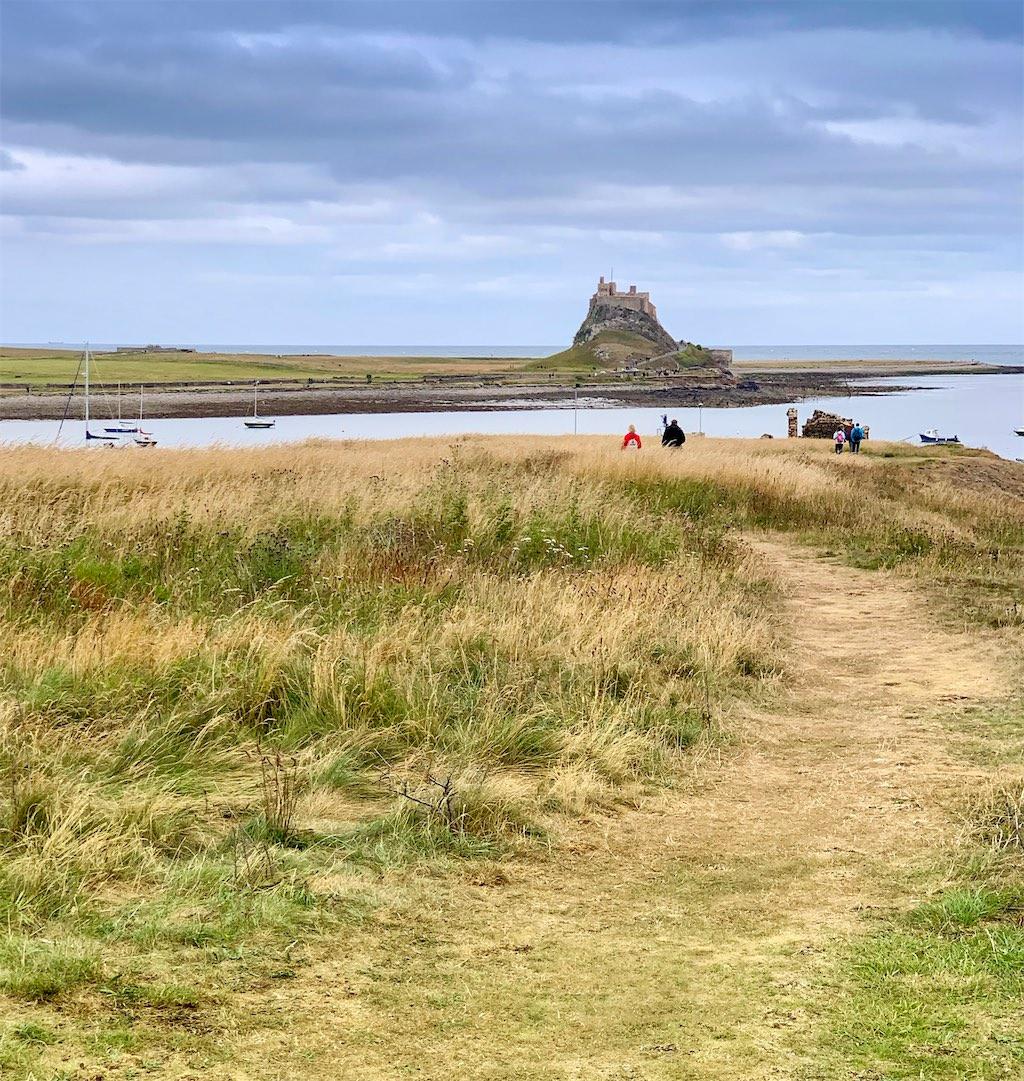
Perched on a dramatic rocky outcrop at the southern tip of the island, the castle was built in the 16th century and later transformed by architect Edwin Lutyens into a private holiday home for Edward Hudson, the founder of Country Life magazine. Gertrude Jekyll designed the charming walled garden nearby, which still flowers each summer. Check nationaltrust.org.uk for opening times, which are tide-dependent.
The Village
The small village at the heart of the island has a handful of pubs, cafes and shops. Lindisfarne is famous for its mead - a honey-based drink with medieval roots - and its more recent gin, both made on the island and available to take home. The parish church of St Mary the Virgin is worth stepping inside, as is the simple wooden sculpture of the monks carrying St Cuthbert's coffin near the priory.
The Island's Coastline
Walk beyond the village and the island quickly becomes wild and peaceful. The north shore has a beautiful beach and big open skies. Grey seals can often be spotted in the water or resting on rocks. On a clear day the views back to the mainland - with Bamburgh Castle rising above the coastline - are hard to beat.
Practical Information
- Getting there: 8 miles from Waren Mill via the A1 and B1342. Check tide tables before leaving.
- Parking: Pay and display car park at Chare Ends near the village entrance. EV charging available.
- Time to allow: A full day is recommended. Allow a minimum of 3 hours for the main attractions.
- Food: Several cafes and pubs on the island, including the Lindisfarne Inn near the causeway on the mainland side. Availability can be limited off-peak - worth checking ahead.
- Admission: Entry to the island itself is free. Lindisfarne Priory and Lindisfarne Castle both charge for entry.
Your Base - BayView at Waren Mill
Holy Island is just 8 miles from BayView - close enough to visit on a whim when the tides allow, and easy to combine with a morning at Bamburgh Beach or an afternoon at Seahouses on the same day. The panoramic view from the apartment living room takes in Budle Bay and the distant outline of Lindisfarne Castle on the horizon - a view that makes the island feel like a constant, quiet presence throughout your stay.